We Feed The UK | The Gaia Foundation
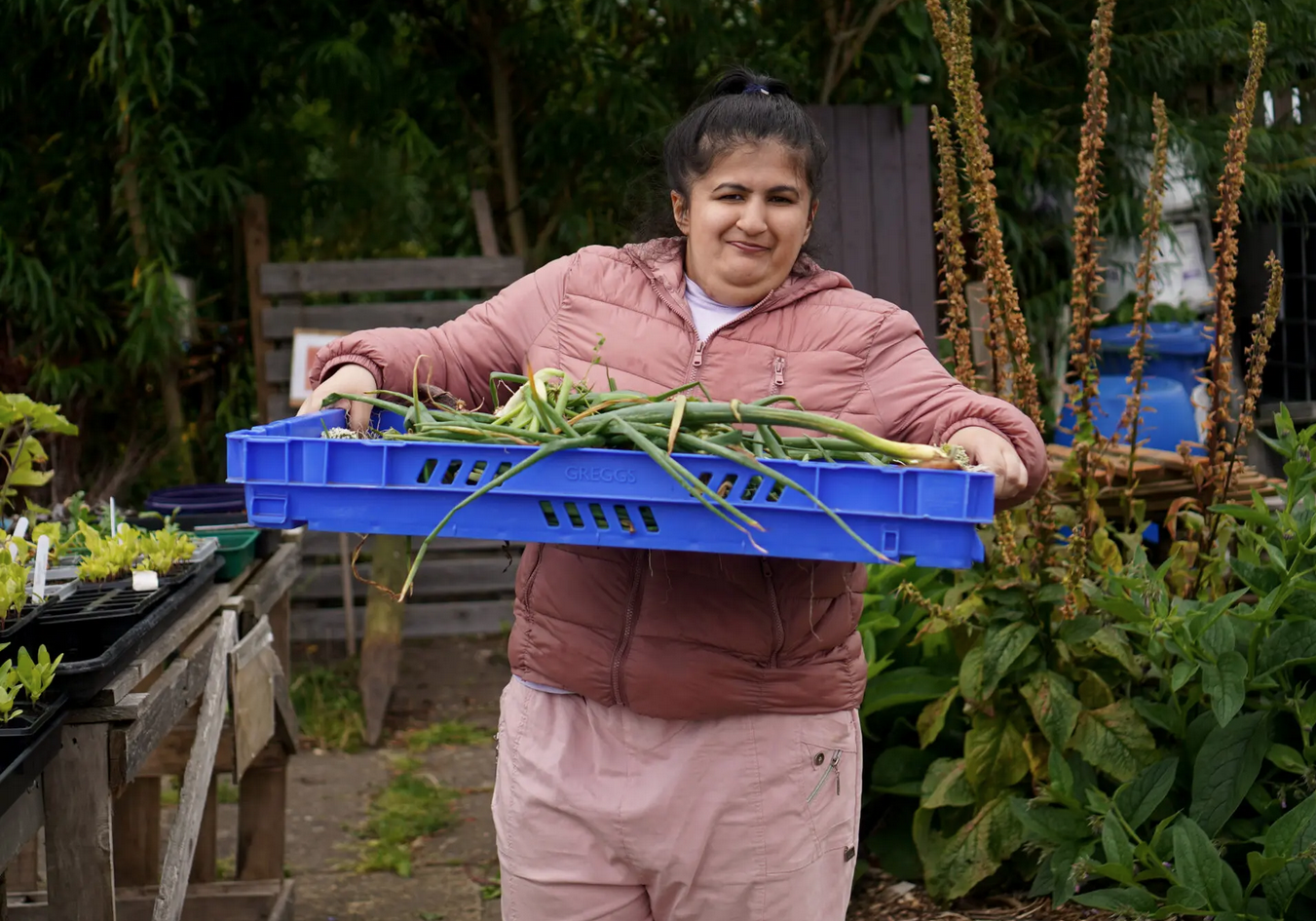
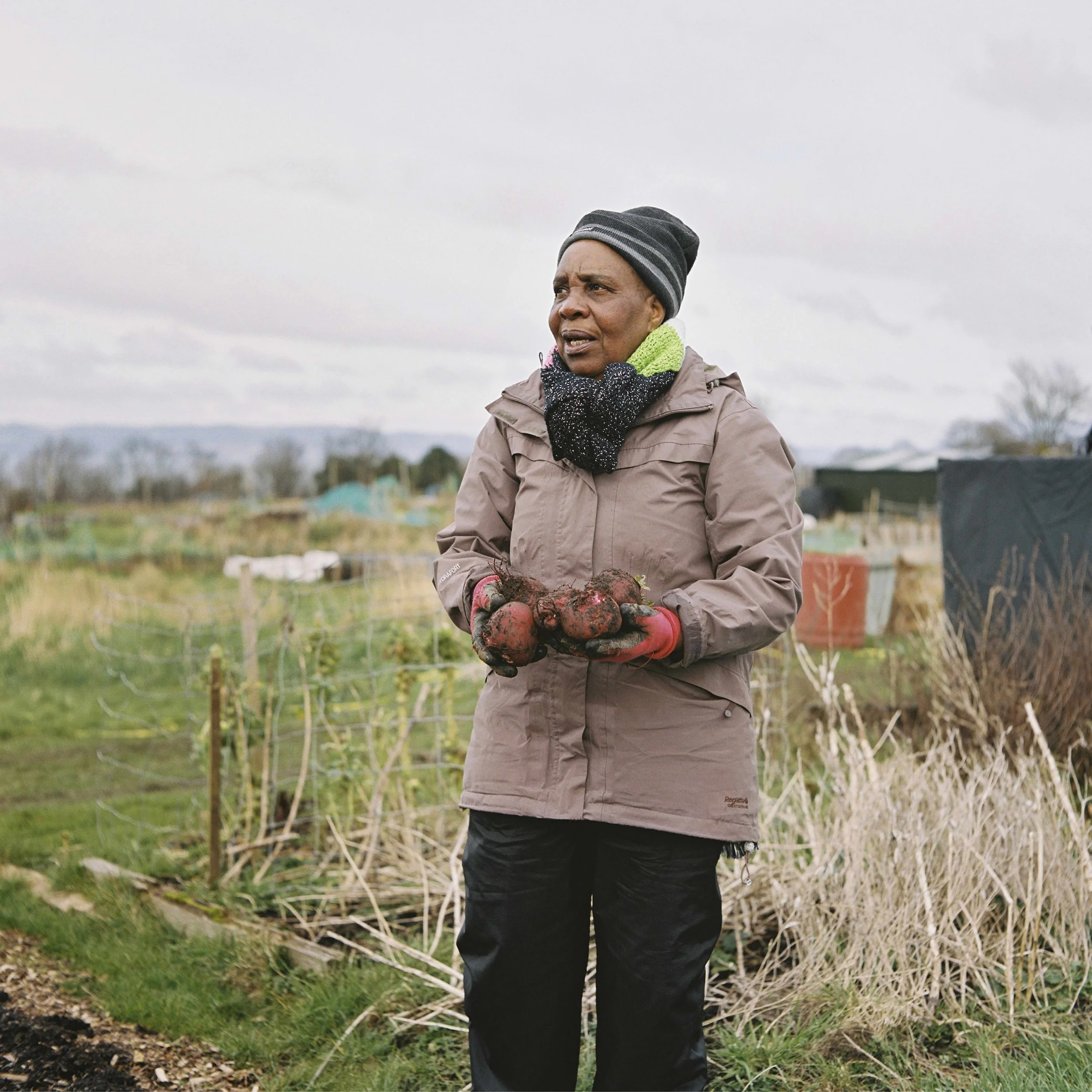
Pam of Black Rootz at Wolves Lane. Photo: Arpita Shah
Exhibition: Saturday 7 February – Saturday 14 March
Launch Event: Saturday 7 February, 2–5pm
Opening Times: Thursday – Saturday, 10am-5pm or by appointment
Where: Gallery 1, Reading Room and Garden
FEATURING:
Photographers: Ayesha Jones, Arpita Shah, Sophie Gerrard, Andy Pilsbury
Poets: Bohdan Piasecki, Zena Edwards, Iona Lee, Ifor Ap Glyn, Diz Undone (formerly Dizraeli)
Growers: No Diggity Gardens (West Midlands), Black Rootz and Go Grow With Love (London), Lauriston Agroecology Farm (Scotland), The Penpont Project (Wales), Gothelney Farm and Field Bakery (South West England)
Grown by The Gaia Foundation, We Feed The UK is a national storytelling campaign pairing award-winning photographers and poets with some of the UK’s most inspiring regenerative food producers. These radical collaborations are raising awareness of the food system’s potential to positively address climate change, the biodiversity crisis and social injustice.
From February–March 2026, Primary will host a selection of work from this groundbreaking project, as part of the long-term Nourishment Programme. This iteration of the project will feature five stories from across the UK - showcasing unprecedented alliance between art and agroecology. What emerges from these encounters is unexpected. It is a gentle defiance against the dominant perspective of big agribusiness, and a joyful celebration of working with lands and waters in a way that heals people and place.
Food forms us and producing it with care for human and more-than-human communities can re-form our home for the better. These are the stories of regenerative farmers, urban growers and grain rebels: the quiet revolutionaries with grassroots solutions to climate change, biodiversity collapse and social justice. Bringing the exhibition to Nottingham, we’re connecting these inspiring national stories with local projects working towards food justice and regenerative growing.
Big agribusiness profits from fuelling climate collapse, poisoning soils, and killing our wild kin. Unjust systems spend public money to produce food coated in chemicals, much of it bound for export or the bin. With 75% of our isles tended as farmland, it is time for transformation. The regenerative practices celebrated in this exhibition, already thriving from fields to urban spaces, are the root of tomorrow’s resilience.
The Gaia Foundation has 40 years of experience accompanying allies, communities and movements around the world to revive biocultural diversity. They take a holistic approach to regenerate healthy ecosystems and strengthen community self-governance – both critical as we face the grave reality of climate chaos, biodiversity collapse and social injustice. Together with partners from the Atlantic to the Arctic, Africa to the Amazon, Gaia is reweaving the basket of life, revalorising the knowledge systems that enhance it, and restoring a respectful relationship with the Earth.
For more information on We Feed The UK visit: www.wefeedtheuk.org



Featured Projects:
NO DIGGITY: KEEPING CARBON IN THE GROUND
Photography by Ayesha Jones in collaboration with Multistory
Poetry by Bohdan Piasecki in collaboration with Hot Poets
Inspired by No Diggity Gardens in the West Midlands
The Black Country’s identity was forged during the industrial revolution: her coal seams mined, her factories aflame, her skies heavy with soot. Neville Portas founded No Diggity Gardens to spark a new kind of relationship with the land. From a legacy of extraction, he has kindled organic, zero-waste allotments now nourishing the earth in Walsall through no-dig gardening.
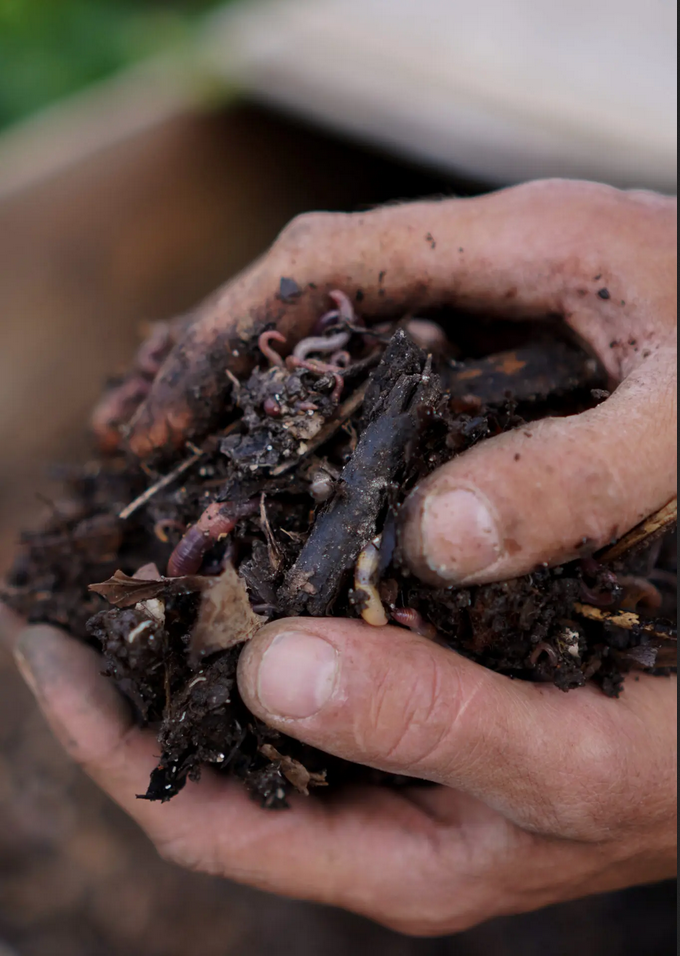
The community’s circular system of no-dig gardening, growing food and composting waste keeps No Diggity Gardens rolling. When that soil is left undug, carbon is kept in the ground, revealing the real value of the world beneath our feet.
FOOD JUSTICE: SERVED FRESH FROM COMMUNITY FARMS
Photography by Arpita Shah in collaboration with Photo Fringe
Poetry by Zena Edwards in collaboration with Hot Poets
Inspired by Black Rootz and Go Grow With Love in London
Two growing projects are tending to injustices in the food system. Sandra Salazar D’eca founded Go Grow With Love in Tottenham and Enfield, to support women of African and Caribbean heritage in nurturing a reciprocal relationship with local land. In doing so, they are increasing community resilience and food security in London.
In Haringey, Paulette Henry, Pamela Shor and their team are empowering communities to grow their own. Black Rootz is the UK’s first multigenerational, Black-led growing enterprise, reconnecting Londoners with seed, ancestral knowledge and earth.
This holistic approach cultivates more than crops; by rooting BPOC people to the land, Sandra, Paulette and Pamela are growing grassroots solutions for racial equality, land reparations and food sovereignty.
CULTIVATING EQUALITY: WOMEN WORKING WITH LAND
Photography by Sophie Gerrard Gerrard in collaboration with Street Level Photoworks
Poetry by Iona Lee in collaboration with Hot Poets
Inspired by Lauriston Agroecology Farm in Scotland
Sons inherit Scottish farms in 85% of cases, yet over half of UK family farm workers are women. The Scottish government’s own Women in Agriculture Taskforce concluded that their contribution can be “undervalued, downplayed or simply unseen”. In Edinburgh, Lauriston Farm is run by a majority-women workers cooperative, who are drawing on the power of local people to restore a 100-acre urban growing site.
Across many Indigenous cultures, women were custodians of seed, farming and food, before colonial, patriarchal and industrial domination pushed them to the field margins. It is from those verges that transformation stems, blooming beyond boundaries.
CUSTODIANS OF THE LAND: INTERGENERATIONAL NATURE RESTORATION
Photography by Andy Pilsbury in collaboration with Action for Conservation
Poetry by Ifor Ap Glyn in collaboration with Hot Poets
Inspired by The Penpont Project in Wales
The UK’s largest intergenerational nature restoration project began in Bannau Brycheiniog (the Brecon Beacons) in 2019. The Penpont Project’s custodians are a co-management council, comprising a Youth Leadership Group of 13-18-year-olds, farmers, landowners, the charity Action for Conservation, and local people from artists to ecologists. The more-than-human beings of Penpont – whether otter or oak – are part of this partnership, too.
Through a multi-generational, multi-species exchange of knowledge, including the creation of ‘eco-cultural maps’, The Penpont Project’s participants have pieced together a picture of the natural and cultural diversity once sustained by these lands and waters. They have looked at present conditions with fresh eyes and made an ambitious, shared plan to restore nature in a way that celebrates Welsh farming traditions while opening the space to more young people. It is their deeply held belief that, by restoring nature, we can restore ourselves.
GRAIN REBELS: A FOOD REVOLUTION STARTS WITH SEED
Poetry by Diz Undone (formally Dizraeli) in collaboration with Hot Poets
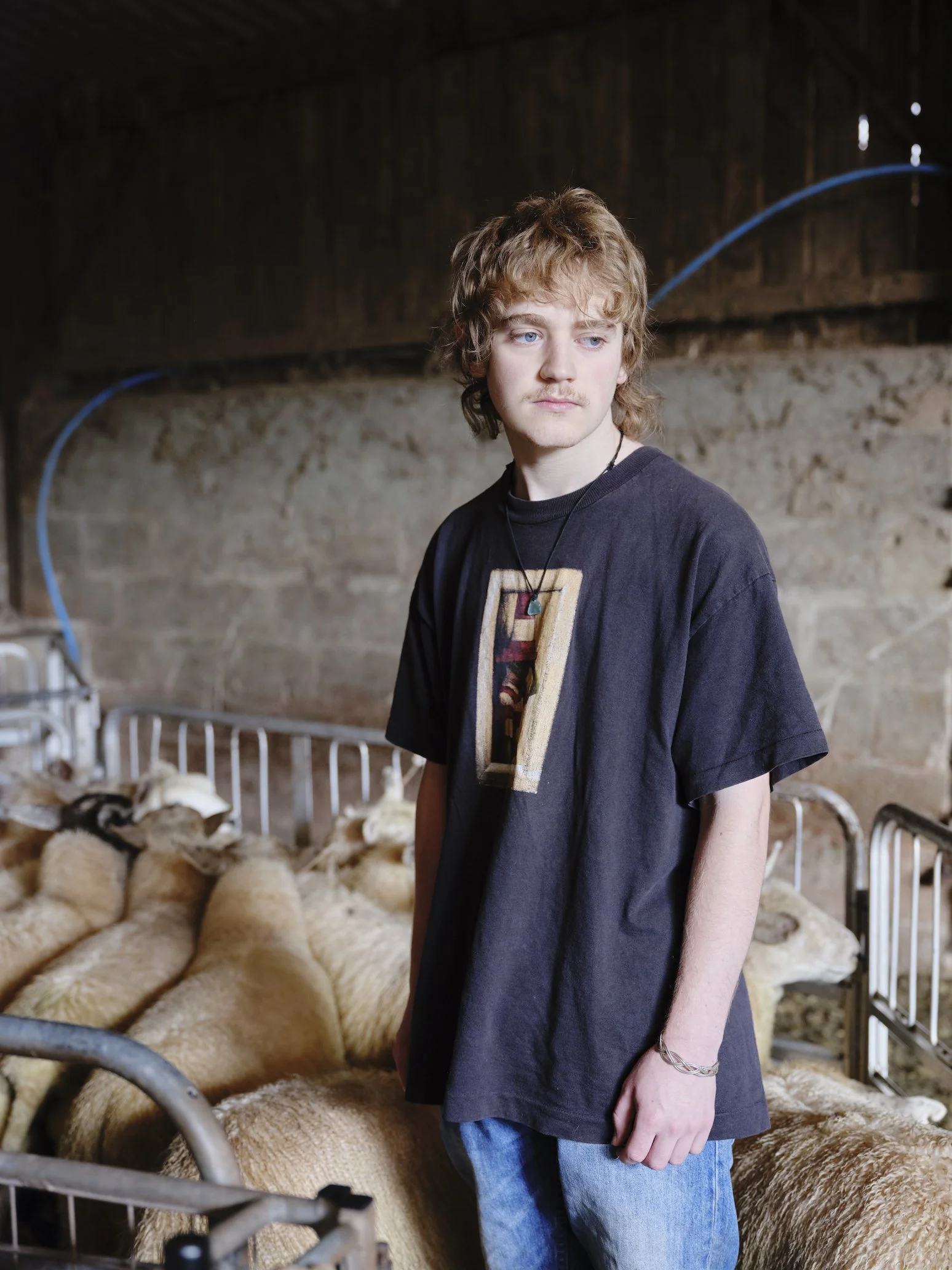
Inspired by Gothelney Farm and Field Bakery, part of the South West Grain Network
The world has lost 75% of plant genetic diversity since 1900 (FAO), sacrificing diverse fields for increased yields. In the foothills of the Quantocks, Fred Price is rediscovering diversity’s treasure trove of tricks by growing population wheats: coalitions of genetically distinct plants that rely on variation for resilience.
Fred shares his grains with Rosy Benson for her on-site Field Bakery. Population wheat, fresh stone milling, and fermentation are unearthing flavours and nutritional value missing from the refined flours extracted by industrial production. Rosy is passionate about the knowledge bakers hold in their hands. We all knead the benefits of a real British loaf, ending with the eater and beginning with varieties of wheat sprouting from the land.
Fred and Rosy form part of the Southwest Grain Network: a collection of growers, millers, bakers, and bread-eaters sowing seeds for a non-commodity grain economy. Networks such as these play a key role in The Gaia Foundation Seed Sovereignty Programme, and are webbing up across the country in a powerful act of resistance and resilience, ensuring food sovereignty starts with seed.